Traced
Traced 光蹤
(圖:北藝中心提供)
存在與顯現,或者說被看見——日常中總有許多我們不曾察覺的瞬間。
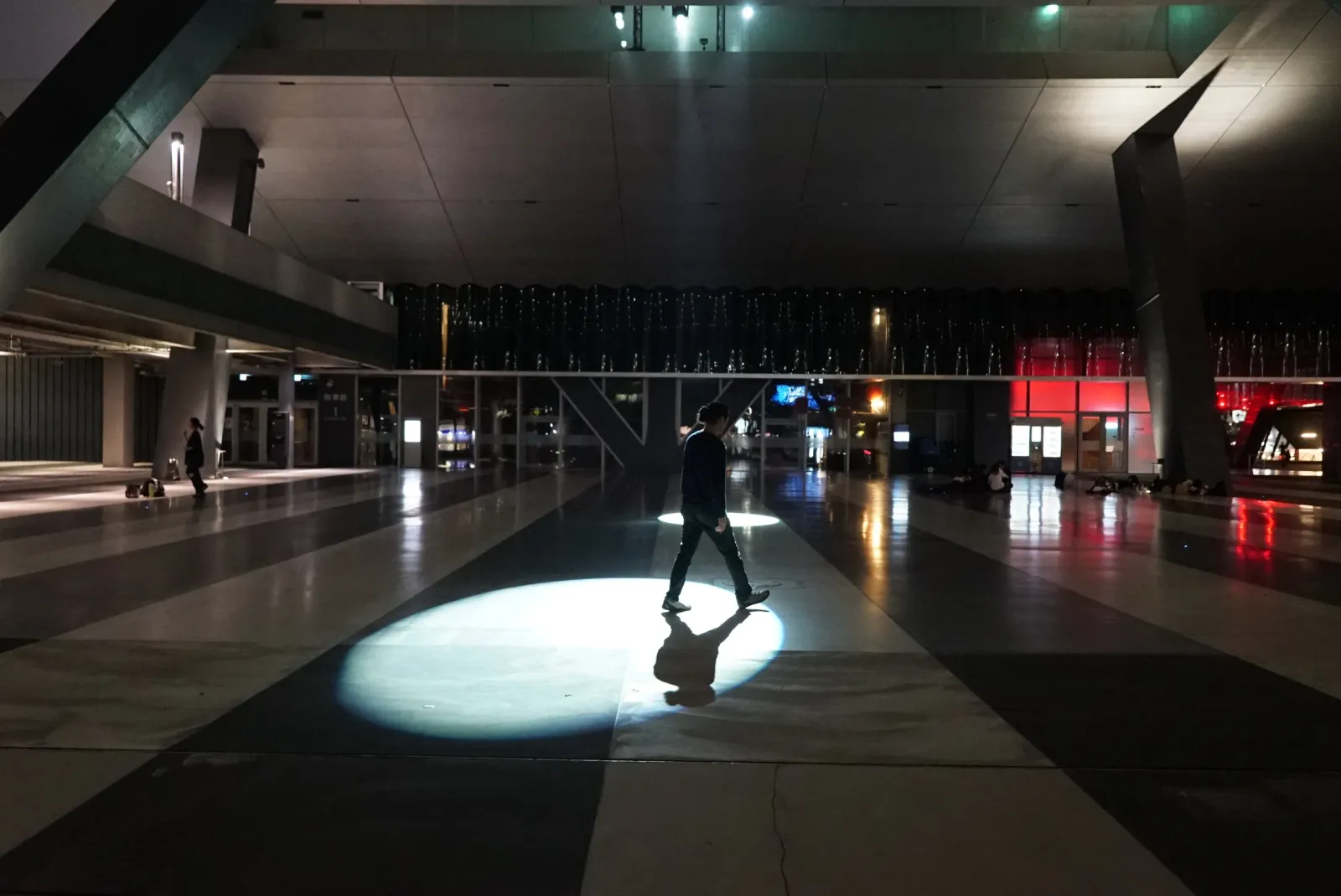
《光蹤 Traced》是一件由人工智慧驅動的光線裝置,透過電腦視覺與即時人體追蹤,使一道聚光燈在空間中跟隨每一位行人。作品將監控的邏輯轉化為一種詩意的「見證」行為——同時也直面其陰暗的另一面:在人類將決策交付給自動化系統的時代,道德與同理心的身體感或許正悄悄流失,扣下板機也可能變得前所未有地容易。《光蹤》追問:「被看見」意味著什麼?而當我們讓機器代替我們去「看」,又意味著什麼?
作品說明
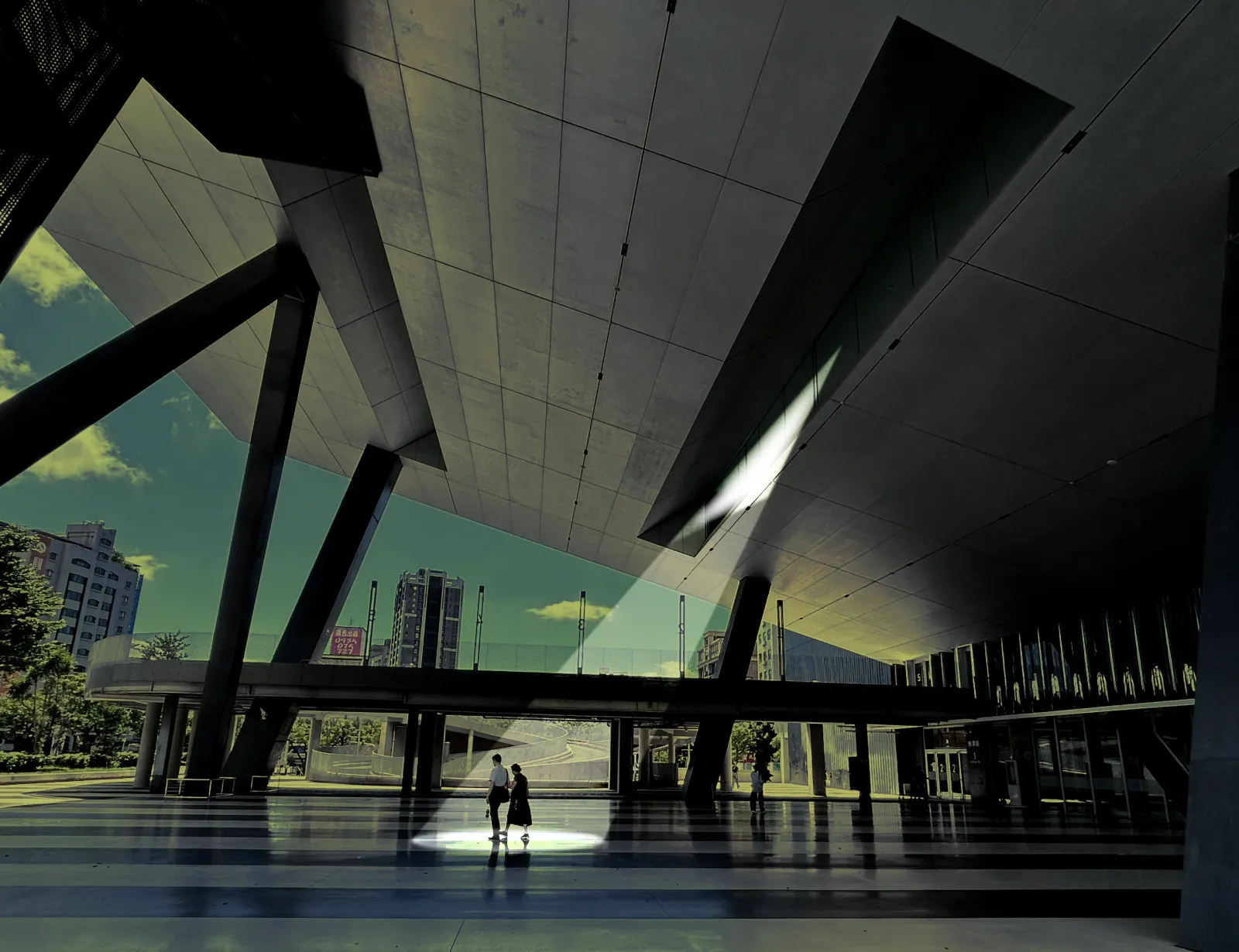
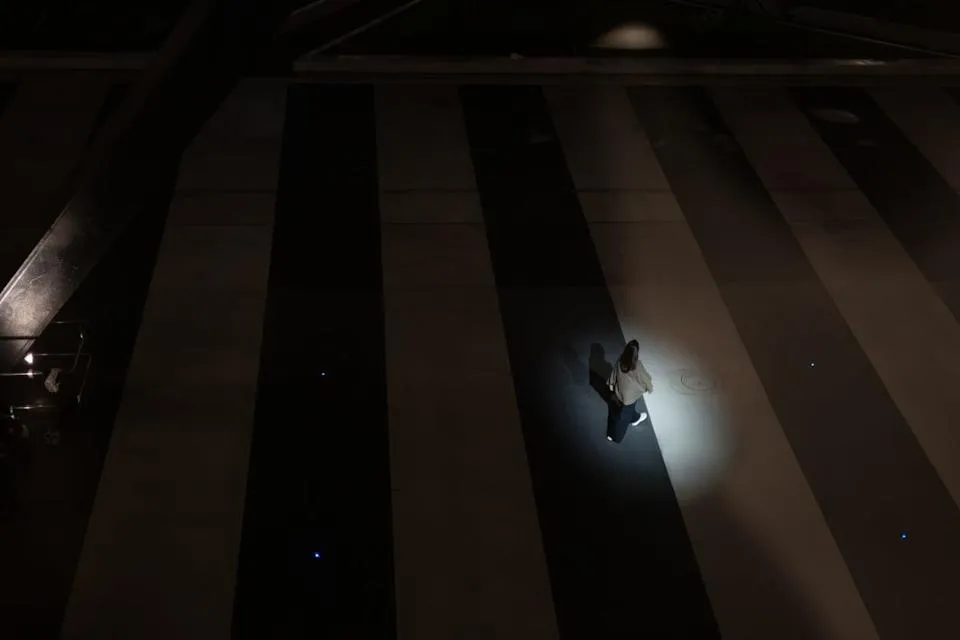
《光蹤 Traced》是一件由人工智慧驅動的光線裝置,讓平凡的行人成為片刻的主角。裝置運用人工智慧與機器學習驅動的影像系統,控制電腦燈具,形成一種如同自動追蹤聚光燈(follow spot)的效果。當行人進入感應區域,電腦視覺即偵測其存在,一道專業舞台燈光隨之鎖定並跟隨他的每一步移動——使每位參與者化身為表演者,讓平時隱沒於人群中的身影,瞬間被賦予重量與意義。
作品的核心在於即時 AI 分析與動態燈光的整合。系統建立於自製的模組化 AI 管線之上,以每秒 30 影格、低於 50 毫秒延遲運作,整合即時人體偵測、多人追蹤、低光源自適應增強與 DMX 燈光控制——擷取並處理空間資料,再轉譯為燈具的運動參數,實現流暢而精準的追蹤。其關鍵技術創新——「像素優先」追蹤法——免除了複雜的三維空間校正,使系統可部署於從私密展間到大型公共空間的各種場域,並穩定適應藝術空間中充滿挑戰的環境條件。
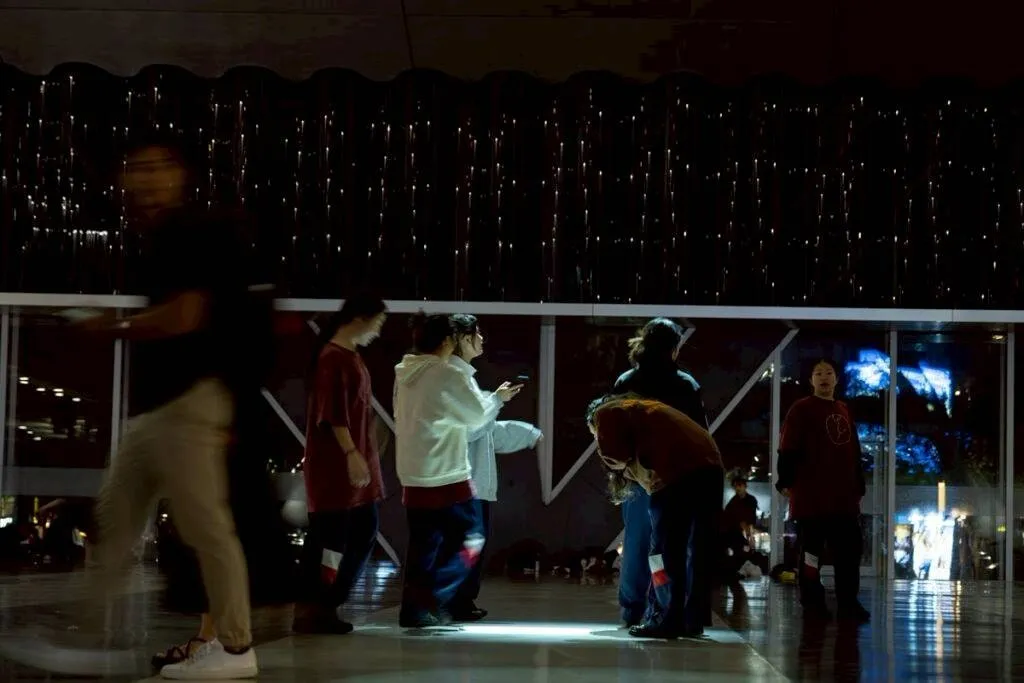
在這裡,光成為一種見證的形式——它不評判、不定義,只是跟隨。這個看似簡單的行為提醒著我們:或許,存在本身就已足夠。這份經驗私密而直接,溫柔地將觀者從人群中托起。有人感到驚訝,有人感到自在,也有人突然意識到——原來「被看見」是這種感覺。它帶著遊戲般的趣味,像站上舞台,使平凡的移動變得不凡。而當光束隨著離去而漸漸淡去,那個被照亮的片刻仍留存於記憶之中,如一道安靜而持久的印記。
然而,在這情境之下,藏著一層刻意的不安。作品所運用的機制——偵測、追蹤、跟隨——正是在他人手中用以標記、側寫、鎖定目標的同一套邏輯。在 AI 的時代,我們愈來愈頻繁地將決定交付給代理自動化工具:注意什麼、跟隨誰、在何處行動。每一次的交付,那份伴隨抉擇而來的道德重量與身體感——遲疑、共感——便又稀薄一分。行為與後果之間的距離不斷累積,責任消融於管線與參數之中。當系統負責瞄準、人類只需確認,扣下板機變得更加容易——彷彿那個決定,早已由別人、或別的什麼,替我們做完了。當沒有人「感覺」到那個決定,冷漠便變得容易,殘酷也隨之成為可能。《光蹤》刻意將這套裝置轉向關照而非控制——並非為了替技術開脫,而是要讓它的雙重性現形,並以此點出與批判這種趨勢:系統本身並不選擇溫柔或殘酷——選擇的是我們,在我們如何建造與部署它的時候。
在一個感測系統無所不在、追蹤已成為隱形基礎設施的時代,作品邀請觀者思考:「被看見」究竟意味著什麼——是肯定、是意義的賦予,還是匿名庇護的喪失?被看見不僅是存在的確認,或許更是存在本身的完成。它可以是認可、是對話的開端、是我們與世界連結的方式,也是我們宣告「我在這裡」的瞬間。當我們離開光束、重返陰影,我們對自己——以及對那些注視著我們的系統——的理解,或許早已改變。
(圖:北藝中心提供)
Existence and emergence, or being seen—there are many moments in daily life we never notice.
Traced is an AI-driven light installation in which computer vision and real-time person tracking cause a spotlight to follow each pedestrian through space. The work turns the logic of surveillance into a poetic act of witnessing — while also confronting its darker double: in an age when humans delegate decisions to automated systems, the embodied sense of morality and empathy may quietly erode, and pulling the trigger may become easier than ever. Traced asks what it means to be seen, and what it means to let machines do the seeing for us.
Project Description
Existence and emergence, or being seen — there are many moments in daily life we never notice.
Traced 光蹤 is an AI-driven light installation that transforms ordinary pedestrians into momentary protagonists. Using an AI and machine learning-driven imaging system to guide computer-controlled lights, the installation creates an effect akin to an automated follow-spot. As pedestrians enter the active zone, computer vision detects their presence, and a beam of professional moving light locks onto them and begins following their every movement — transforming each participant into a performer, allowing figures usually hidden in the crowd to suddenly be given weight and meaning.
The work's core lies in the integration of real-time AI analysis and dynamic lighting. Built on a custom modular AI pipeline operating at 30fps with under 50ms latency, the system integrates real-time person detection, multi-person tracking, adaptive low-light enhancement, and DMX lighting control — capturing and processing spatial data, then translating it into motion parameters for the lights to achieve fluid and precise tracking. A key technical innovation — "pixel-priority" tracking — eliminates complex 3D spatial calibration, making the system deployable across spaces from intimate galleries to large public venues, and reliably adaptable to the challenging conditions of artistic spaces.
Here, light becomes a form of witnessing — it doesn't judge or define, it simply follows. This seemingly simple act reminds us: perhaps existence itself is enough. The experience is personal and direct, gently elevating viewers from the crowd. Some feel surprised, some feel at ease, and some suddenly realize — this is what being seen can feel like. It feels playful, like being on stage, transforming ordinary movement into something extraordinary. And as the beam gradually fades with their departure, that illuminated moment lingers in memory, like a quiet but lasting mark.
Within this scenario lies a deliberate unease. The mechanism at work — detect, track, follow — is the same logic that, in other hands, flags, profiles, and targets. In the age of AI, we increasingly entrust decisions to agentic, automated tools: what to notice, whom to follow, where to act. With each handover, the embodied sense of moral weight — the hesitation, the empathy felt in the moment of choosing — grows a little thinner. Distance accumulates between act and consequence; responsibility dissolves into pipelines and parameters. When the system points and the human merely confirms, pulling the trigger becomes easier — the decision feels as though it has already been made by someone, or something, else. When no one feels the decision, indifference becomes easy, and cruelty becomes possible. Traced turns this very apparatus toward care instead of control — not to redeem the technology, but to make its double nature visible and to critique this drift: the system does not choose to be gentle or cruel; we do, in how we build and deploy it.
In an era saturated with sensing systems — where tracking has become invisible infrastructure — the work invites contemplation on what "being seen" truly means: affirmation, the bestowal of meaning, or the loss of anonymity's shelter? Being seen is not merely confirmation of existence, but may be the completion of existence itself. It can be recognition, the beginning of dialogue, our way of connecting with the world, and the moment we declare: I am here. When we leave the beam and return to shadow, our understanding of ourselves — and of the systems watching us — may have already changed.