About HsienYu Cheng (鄭先喻)

HsienYu Cheng (鄭先喻) is a Taiwanese artist and software developer born in 1984 in Kaohsiung. He creates artworks, software, and experimental bio-electronic devices that examine human behaviour, emotion, software, and human-machine relationships. Awards include the 2014 Taipei Digital Art Award First Prize, 2017 Kaohsiung Art Award New Media Art First Prize, 2019 Tung Chung Art Award, 2021 19th Taishin Arts Award Visual Art Award, and a 2023 S+T+ARTS Nomination / Honorary Mention at ARS Electronica. Recent exhibitions include ARS Electronica 2023 and Sónar 2025 Barcelona, with further shows in the Netherlands, Slovenia, Norway, Italy, Germany, France, Austria, and Korea.

鄭先喻,1984年生於台灣高雄,藝術家兼軟體開發人員。創作藝術作品、軟體及結合電子設備的實驗性生物電子裝置。透過專注於人類行為、情感、軟體以及人機關係的作品,以幽默的方式傳達對社會與環境的獨特見解。曾獲2014年台北數位藝術獎首獎、2017年高雄獎新媒體藝術首獎、2019年銅鐘藝術獎、2021年第十九屆台新藝術獎視覺藝術獎,並於2023年獲得奧地利電子藝術節S+T+ARTS提名/榮譽獎。

  • Review & News
  • About
    • CV.
    • Contact
  • Solo Exhibitions ⬅︎
    • [.user ] - 2023
      • Info.
      • Works
    • % Consumption of Computing - 2023
    • Eyes、Ears、Nose, Tongues...those parts - 2023
      • Info.
    • Revenge Scenes - 2021
    • Injector After Null - 2020
      • Info.
      • Works
    • Assimilator - 2019
      • Info.
      • Works
    • Injector before Null - 2017
    • Secondlife: habitat - 2016
    • 1ed6318fc5481dda3ded... - 2016
    • Collector - 2014
  • Works
    • 2025
      • Traced
    • 2024
      • ThereWillBeWorks
      • Credit Make You Free
      • todayisnotwhatyoulike
    • 2023
      • Around 7 Meters is more fun
      • A slightly different browser
      • % consumption of computing
      • There is Another Capital Beneath the Waves
    • 2022
      • Happens To Be Performing
      • It Could Be You
      • Annoyanony
      • Minimal Input @ C-lab
      • don't know... what do you think?
    • 2021
      • Photo of ID
      • Revenge Scenes
      • Game of Life
      • Crystal Seeding
    • 2020
      • discharge what you charged: room edition
      • invariable variation
      • de centralize
      • We are saying what you are ruling
      • T.R.M 2.0 :Infodemic
    • 2019
      • Hijacker:{,}
      • Discharge what you charged
      • Others
    • 2016
      • Sandbox
      • Second Life: Habitat
      • Untitled: The result
    • 2015
      • Hobo
      • Artist's daily job
      • We all love F & D
      • isISis
      • The terminal is
    • 2014
      • Rc_bOAT
      • Dish on Fish
      • portrait 2014
      • MissionFail
    • 2013
      • portrait 2013
      • Afterlife ver.2.0
    • 2011
      • Afterlife
      • portrait 2011
      • heartcoke
×

Hijacker:{,} 

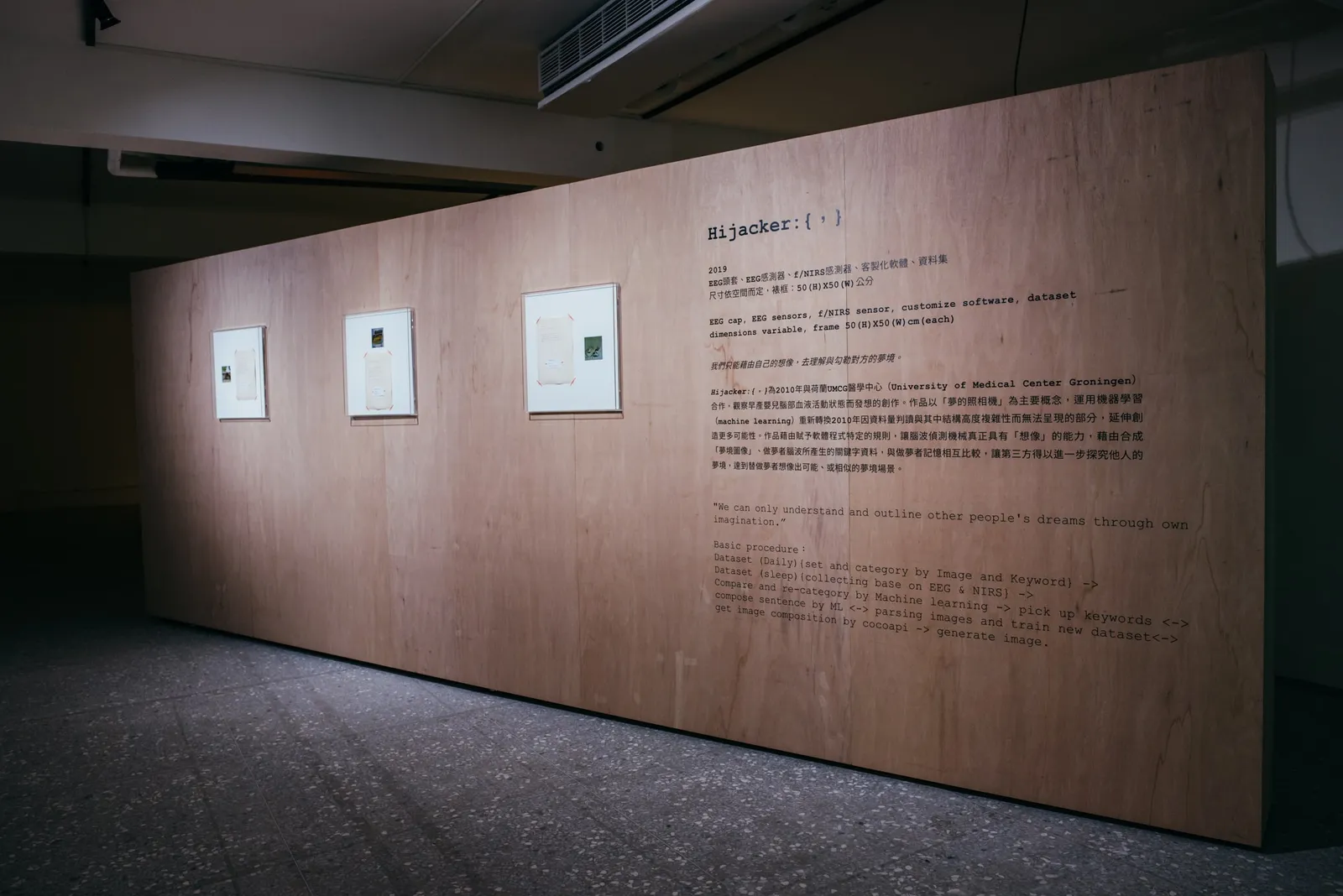
作品名稱:『 Hijacker:{,} 』

年份:2019

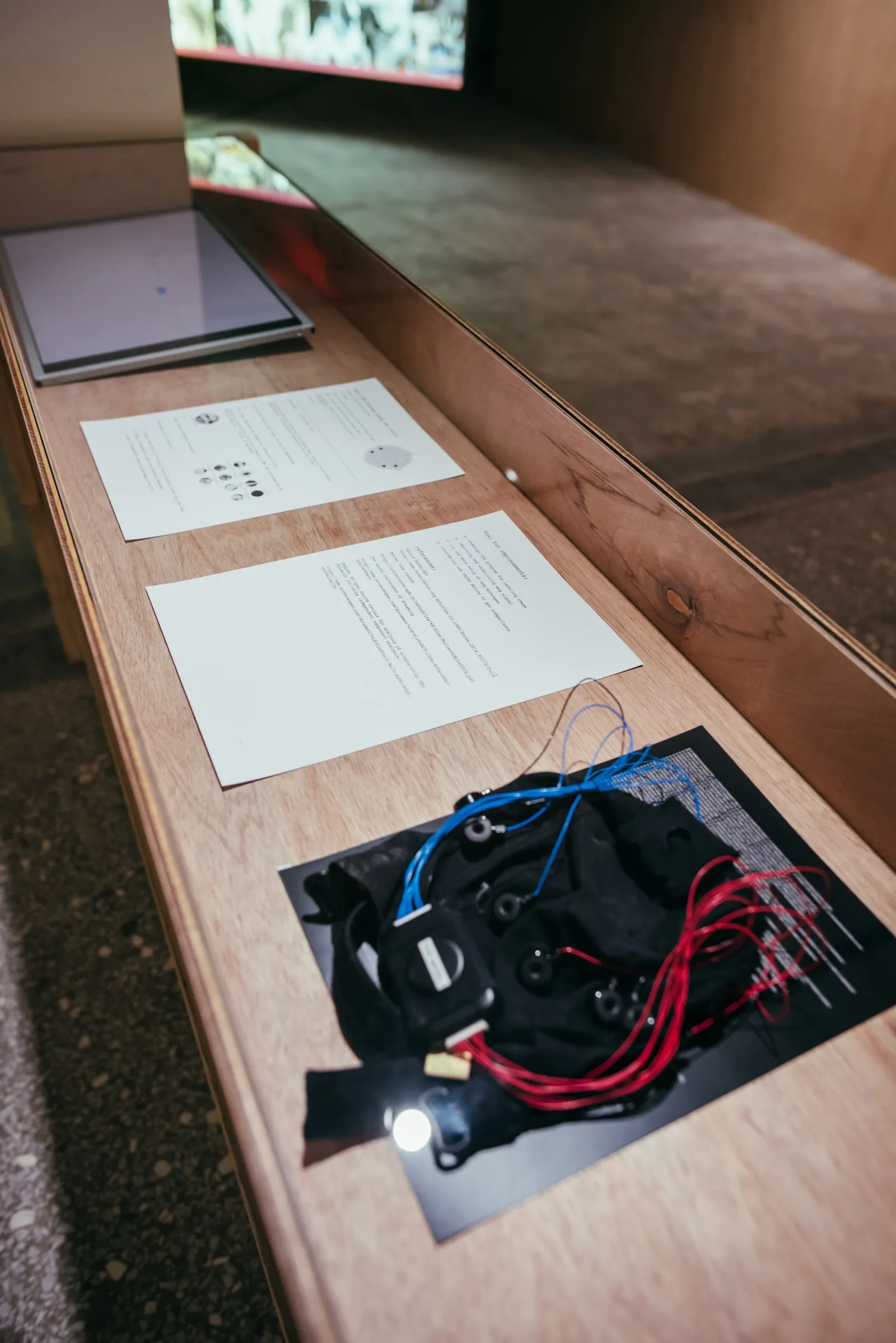
媒材:EEG cap, EEG sensors, f/NIRS sensor, customize software, dataset, 

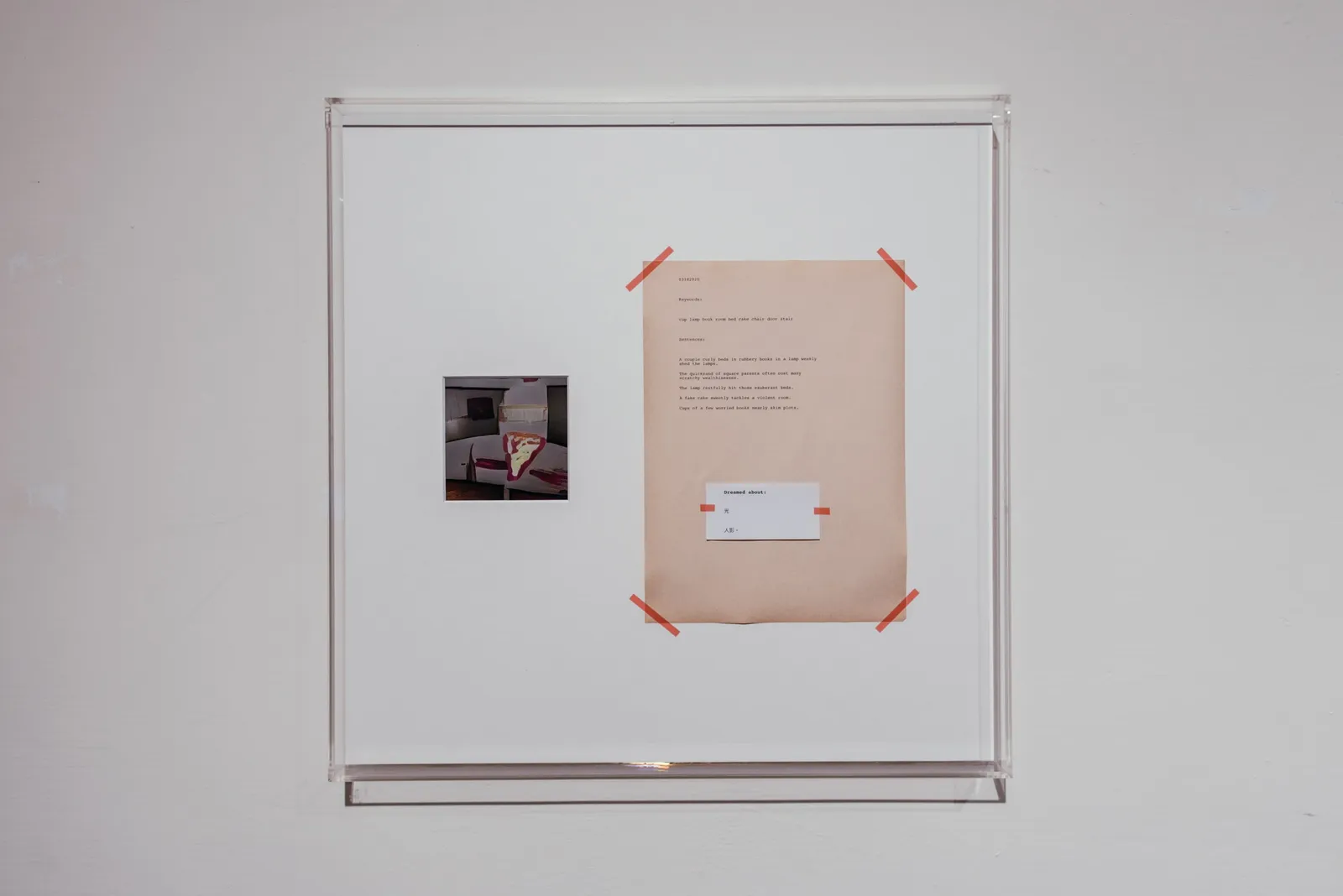
尺寸:尺寸可變,裱框尺寸 50cm * 50cm

作品概述:

我們只能藉由自己的想像,去理解與勾勒對方的夢境。

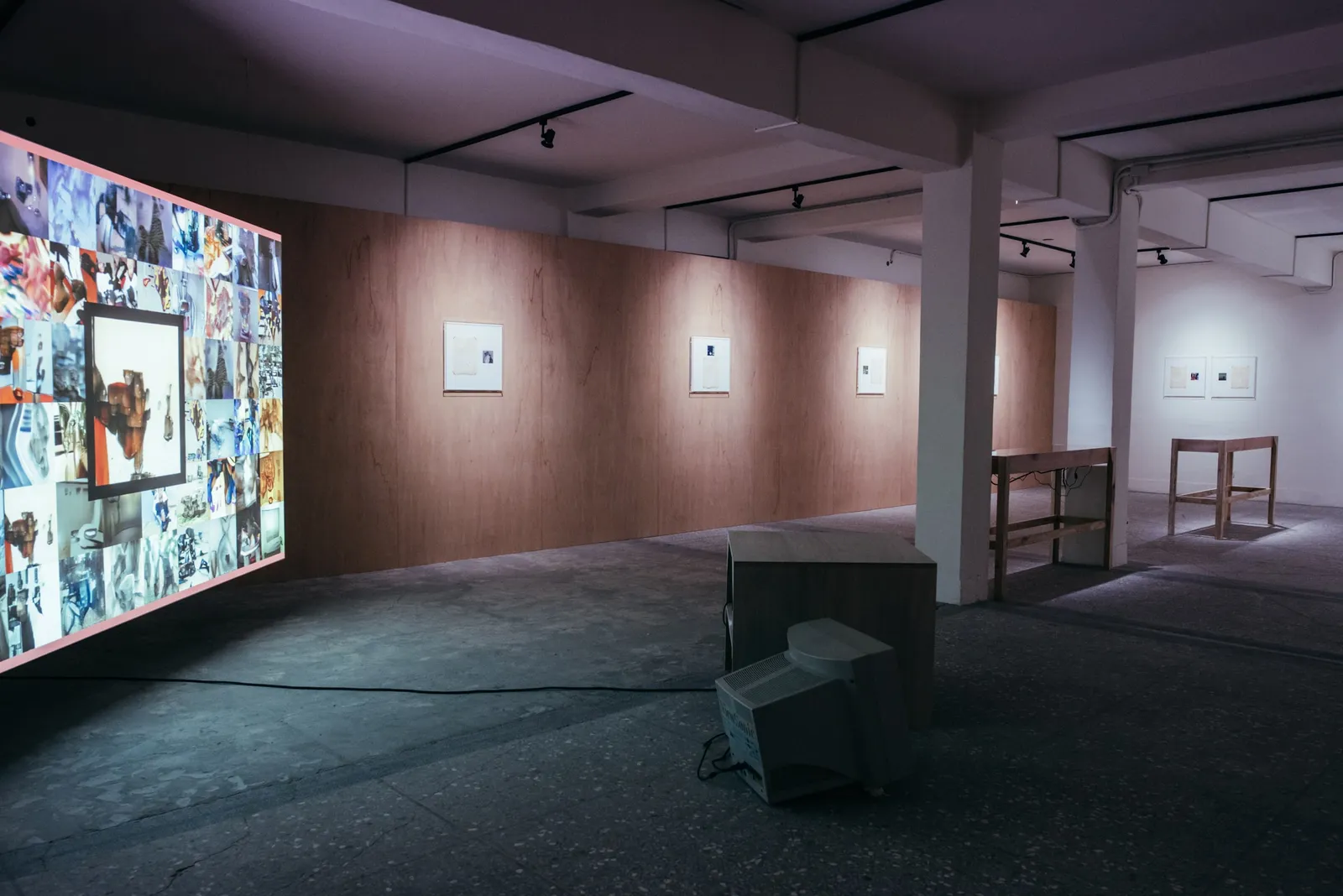
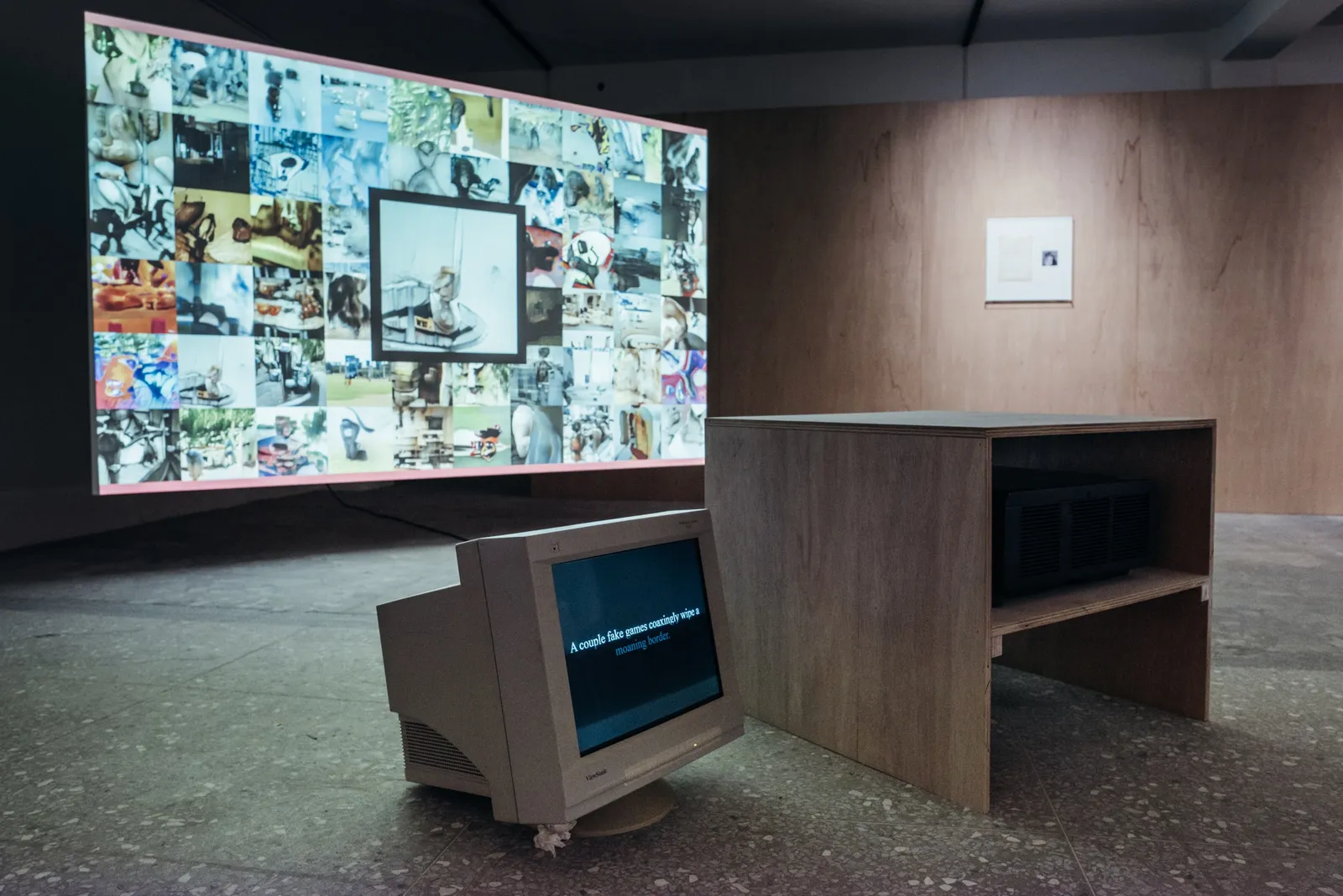
〈Hijacker:{,}〉為2010年與荷蘭UMGC醫學中心(University of Medical Center Groningen)合作,觀察早產嬰兒腦部血液活動狀態而發想的創作。作品以「夢的照相機」為主要概念,運用機器學習(machine learning)重新轉換2010年因資料量判讀與其中結構高度複雜性而無法呈現的部分,延伸創造更多可能性。作品藉由賦予軟體程式特定的規則,讓腦波偵測機械真正具有「想像」的能力,藉由合成「夢境圖像」、做夢者腦波所產生的關鍵字資料,與做夢者記憶相互比較,讓第三方得以進一步探究他人的夢境,達到替做夢者想像出可能、或相似的夢境場景。


Title:『 Hijacker:{,} 』

Year:2019

Material:EEG cap, EEG sensors, f/NIRS sensor, customize software, dataset

Size:size variable, frame size 50(H)cm *50(w)cm


"We can only use our imagination to understand and get an outline of people's dreams”


"Hijacker: {,}" is a concept that was conceived when we tested and monitored the blood activity of the brain of the early-born baby in cooperation with UMGC (University of Medical Center Groningen) in 2010.

At that time, because some issue and technical difficulty of designing data structure were more complicated. So this time, applying the way of Machine learning was recombined into this work, and redesign and simplify the flow of collecting data become easier, more flexible and create more possibilities. 

By assigning certain rules to the software, the work can imagine possible or similar dream scenes for dreamers. In a symbolic way to create a way of photography of dream as the main concept to interpret the imagination that is given to the machine.

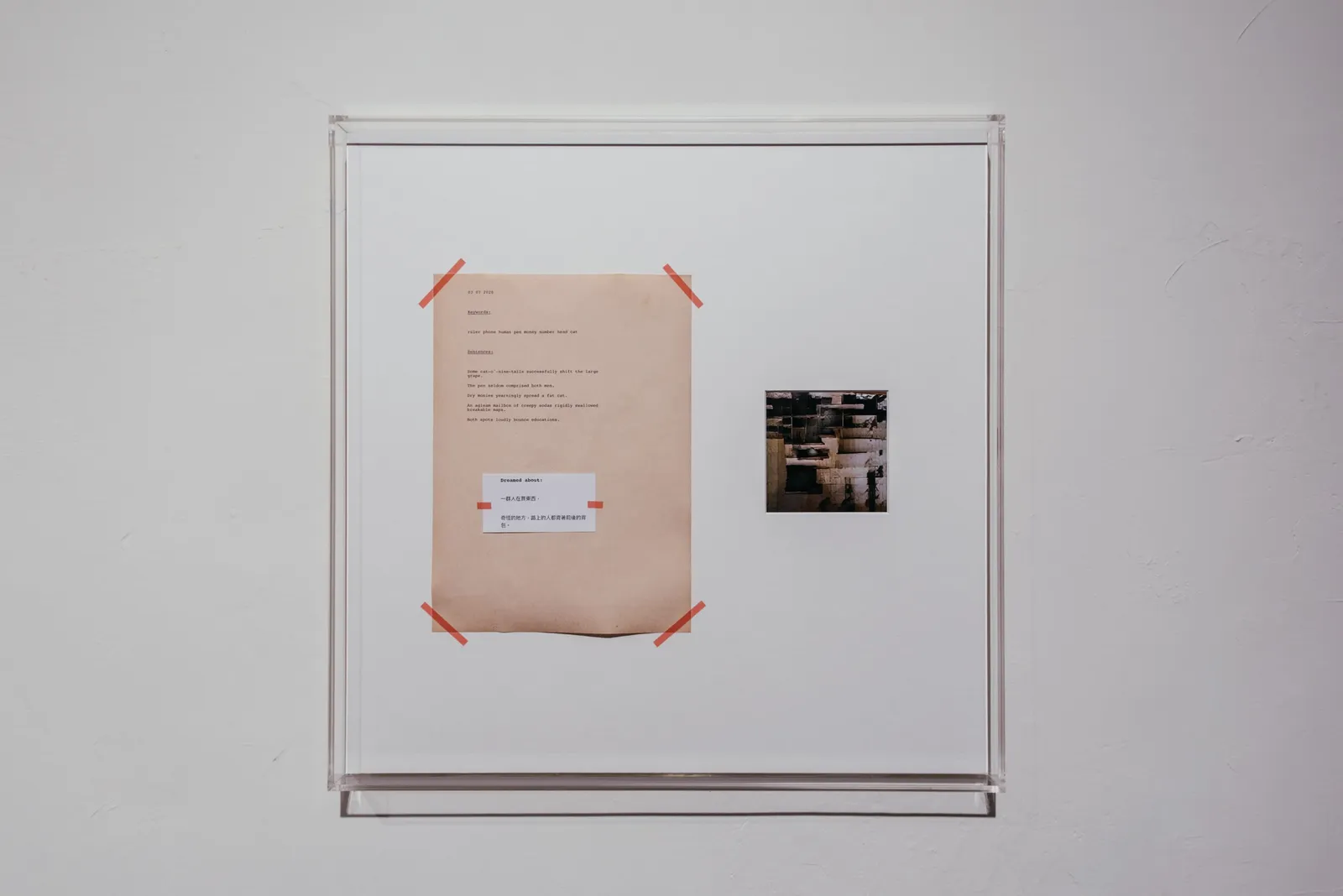
By synthesizing the dream image, the keywords generated by the software based on the dataset of the brain activities are compared with the text description of the dreamer.

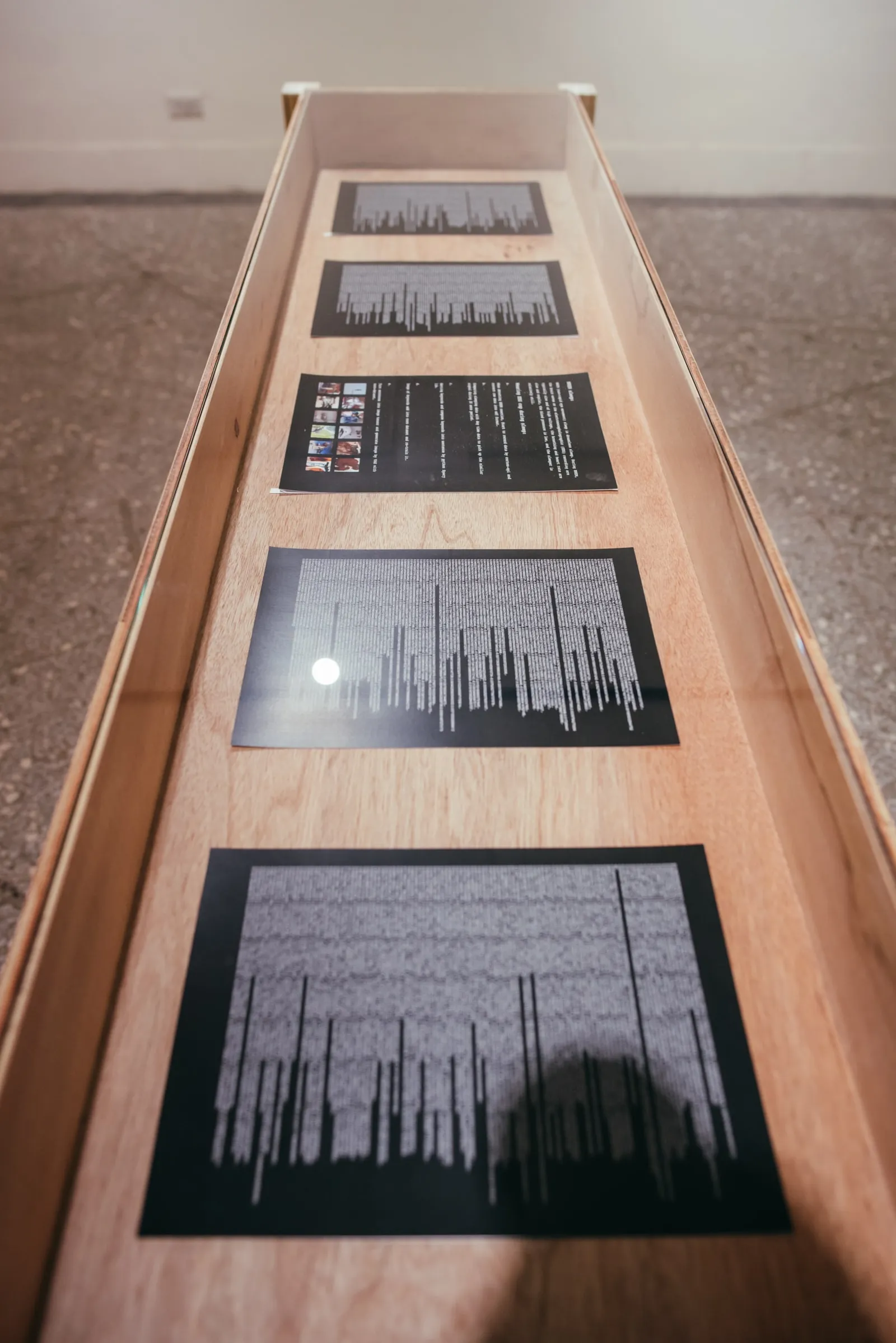
Basic procedure:

Dataset (Daily){set and category by Image and Keyword} ->

Dataset (sleep){collecting base on EEG & NIRS} ->

Compare and re-category by Machine learning -> pick up keywords <-> compose sentence by ML <-> parsing images and train new dataset<-> get image composition by cocoapi -> generate image.  
Close
HsienYu Cheng | 鄭 先喻

© chenghsienyu - Attribution-NonCommercial-ShareAlike 4.0 International  (CC BY-NC-SA 4.0) 

Docs_Kit